What Baton Rouge eats
Baton Rouge takes its name from le bâton rouge, the red stick, a cypress pole that Pierre Le Moyne d'Iberville noted in 1699 marking the boundary between the hunting grounds of the Houma and Bayagoula. It is the state capital, on the Mississippi River about 50 miles east of Lafayette.
Two names you know started here. Community Coffee began in 1919, when Cap Saurage started serving his own blend in his Baton Rouge grocery. Raising Cane's opened its first restaurant in 1996 on Highland Road by LSU's North Gates, and locals still call it the mothership.
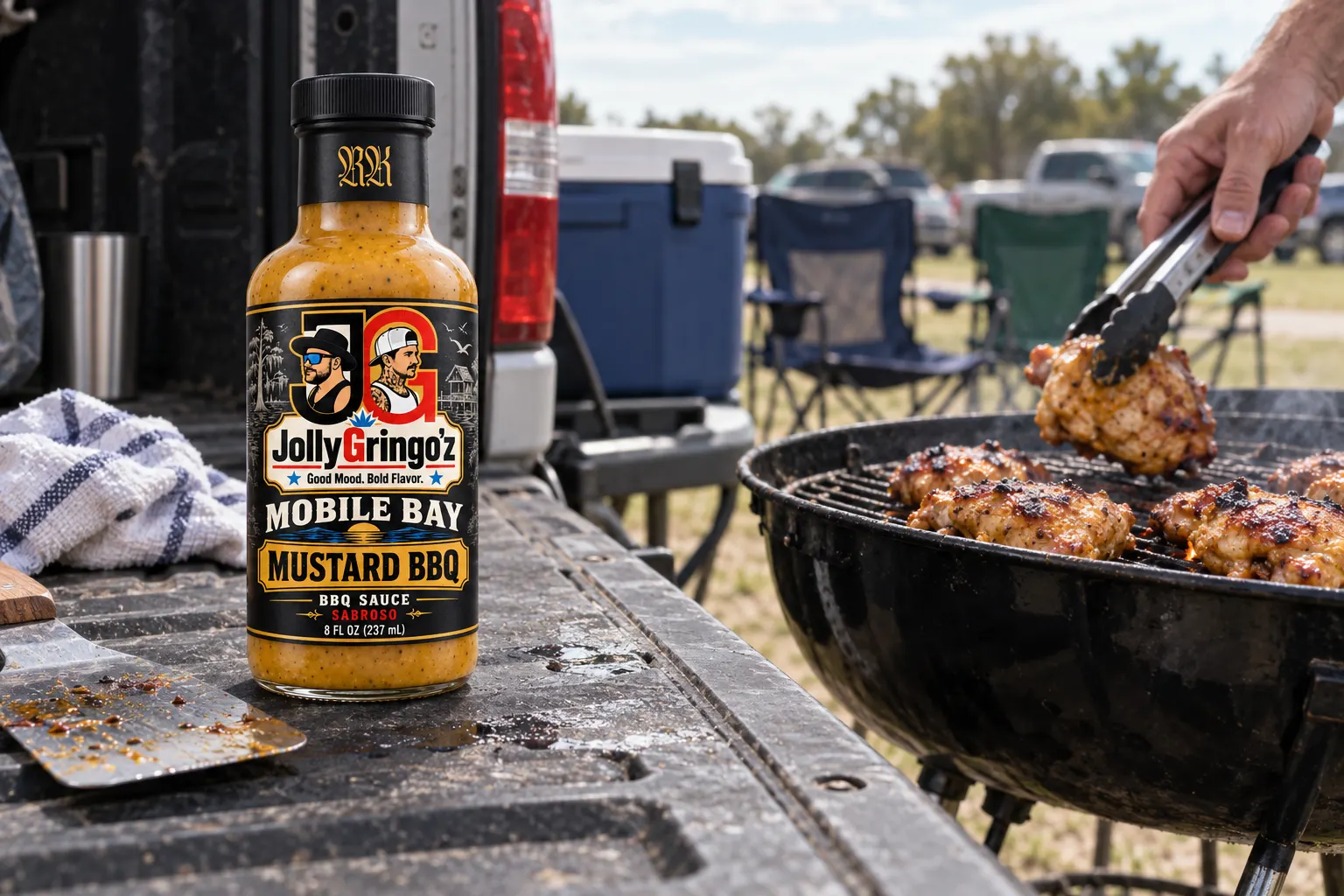
But the city's signature meal is the LSU tailgate. Tailgating grew after the 1958 national championship season, and on home game Saturdays fans set up on the Parade Grounds and around Tiger Stadium, often from the night before. It is a cookout culture: pots of jambalaya and gumbo, grills and smokers, and food that has to hold for hours in the heat.
Visit Baton Rouge says the city's calendar follows what is in season, and spring is all about crawfish. Across the river in West Baton Rouge Parish, sugarcane is harvested and ground in the fall, and the West Baton Rouge Museum in Port Allen celebrates it every October with SugarFest, with cane cutting, grinding and cane syrup boiling.