Free shipping over $45Small batch, Gulf Coast inspiredNo ghost pepper. Not now, not everEvery bottle its own journeyGood mood. Bold flavor.

Lee County, Sanibel Island

Sanibel, Florida: the shelling island that started out as a farm

Visitors come to Sanibel for shells, birds and quiet beaches. A century ago the island shipped tomatoes, peppers and citrus north by the crate, until hurricane tides salted the fields. Here is that story, the island's fishing calendar, and a fish supper with a packing house relish.

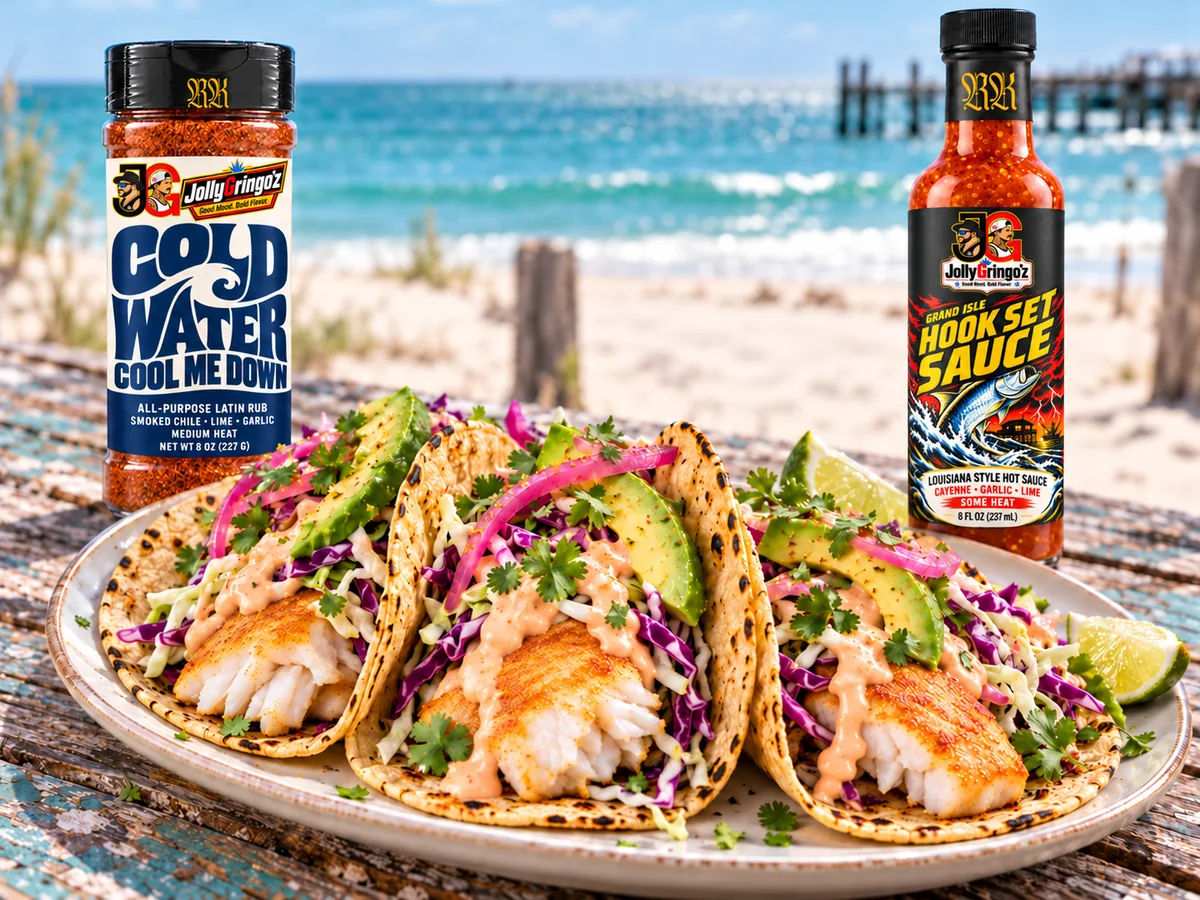
Cold Water Fish Tacos

Seven cents a crate

The Sanibel Historical Museum and Village tells the island's story through restored buildings moved to one site on Dunlop Road. Its timeline starts with the Calusa, who dominated the region, and with Ponce de Leon, who sailed by in 1513 and left a name on the charts, S. Nivel, that became Sanibel. The lighthouse went up on the east end in 1884 and was lit in 1885, and homesteaders followed.

Those settlers farmed. According to the museum, agriculture was the main business on Sanibel from the 1880s into the 1940s. Islanders helped each other bring in tomatoes, peppers and citrus, hauling them by mule and wagon to packing houses, where the produce was crated for shipment up north. Seasonal pickers camped in the fields and moved from one farm to the next.

One islander, Clarence Rutland, arrived in 1896 at the age of six. In the 1920s he earned seven cents for every crate of tomatoes and peppers he packed for local farmers, and his house is now one of the museum's buildings. The village also includes a replica of a packing house from about 1900.

Then the sea took the fields. The museum's timeline says the great hurricane of 1926 devastated island crops and essentially ended commercial farming, and that tidal surges in later storms left the soil useless for large scale growing. Tourism took over, with a ferry from 1925 and a causeway from 1963.

Ding Darling and the tarpon

The other half of Sanibel is wild. At the urging of the cartoonist and conservationist Jay Norwood Ding Darling, President Harry S. Truman created the Sanibel National Wildlife Refuge by executive order in 1945. It was renamed for Darling in 1967, and the U.S. Fish and Wildlife Service describes it as part of the largest undeveloped mangrove ecosystem in the United States.

The refuge's friends group keeps Darling's love of tarpon fishing alive with an annual catch and release tournament. The 2026 event drew 65 teams and 309 anglers who caught and released 63 tarpon, with the money going to water quality research and education at the refuge. State rules keep the big ones wet: a tarpon longer than 40 inches is never lifted out.
What is in season

When to fish and eat on Sanibel

Sanibel's waters belong to the state's Charlotte Harbor management region, and the limits below are the wildlife commission's. They are reviewed every year, so check before you keep a fish.

What is in season in Sanibel, by month
WhatWhenMonths
Snook may be kept again after the winter closure, one per day, 28 to 33 inchesIn season nowMarch and April
Ding Darling catch and release tarpon tournamentIn season nowMid May
Snook closed for the summer in this regionIn season nowMay through September
Snook harvest reopens before the December closureIn season nowOctober and November
Stone crab claws at island seafood counters, until the May 2 closureIn season nowMid October through spring
Redfish slot of 18 to 27 inches, one per anglerIn season nowEvery month

Festivals and events

Sanibel on the calendar

The island keeps its big dates few and quiet. This is the one built around fish. Dates update every month: confirmed means the organizers posted it, expected means it follows the usual pattern.

The next twelve months in Sanibel

  1. Oct2026Nothing on the calendar
  2. NovNothing on the calendar
  3. DecNothing on the calendar
  4. Jan2027Nothing on the calendar
  5. FebNothing on the calendar
  6. MarNothing on the calendar
  7. AprNothing on the calendar
  8. May21 May: Ding Darling Go Wild Tarpon Tournament, expected
  9. JunNothing on the calendar
  10. JulNothing on the calendar
  11. AugNothing on the calendar
  12. SepNothing on the calendar

From the lineup

What we would bring to a Sanibel rental

A cooler of fillets from the bait shop or the fish counter, a ripe tomato or two, and three bottles.

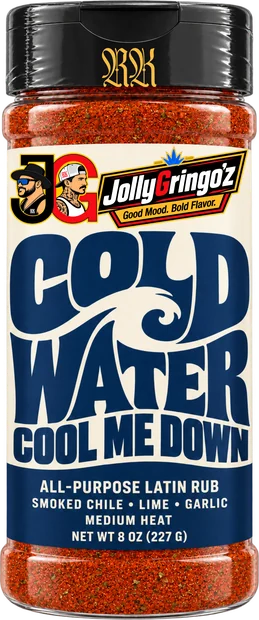
Cold Water

Medium, 3.5 oz, $9

Our Latin blend, earthy from ancho and cumin and sharp from dried lime. It gives a mild fillet a warm crust and sits well beside raw tomato.

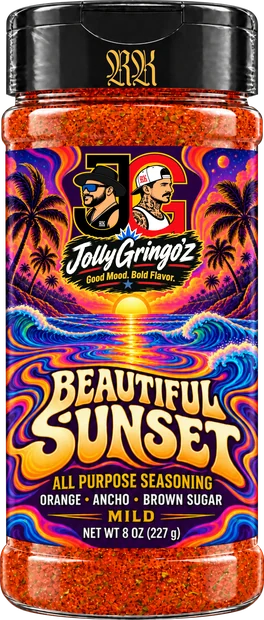
Beautiful Sunset

Mild, 3.5 oz, $9

Dried orange peel and ancho, a touch sweet. Good on snapper, chicken or a pan of roasted peppers.

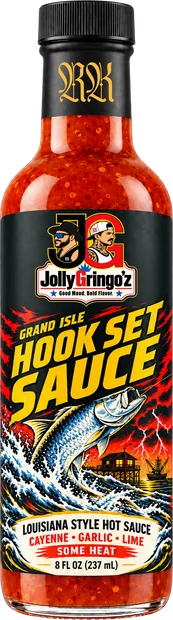
Grand Isle Hook Set Sauce

Some Heat, 8 fl oz, $12

Louisiana style heat from red jalapeño and roasted red pepper with a lime finish. A few drops go into the relish.

Cook it at home

Seared snapper with packing house tomato and pepper relish

A nod to the crates that left the island a century ago: ripe tomatoes and sweet peppers, cut raw and spooned over a hot seared fillet.

What you need

  • 4 snapper fillets, skin on, about 6 oz each
  • Cold Water
  • 2 ripe tomatoes and 1 red or yellow bell pepper, finely diced
  • 1/4 red onion, minced, and a handful of parsley
  • 1 lime, olive oil and Grand Isle Hook Set Sauce
  • Oil for the pan

How it goes

  1. Mix the tomato, pepper, onion and parsley with the lime juice, a spoon of olive oil, a pinch of Cold Water and a few dashes of Hook Set Sauce. Let it sit while you cook.
  2. Pat the fillets very dry and season the flesh side well with Cold Water.
  3. Heat a thin film of oil in a heavy skillet until it shimmers. Set the fillets in skin first, holding each one flat with a spatula for half a minute so it does not curl.
  4. Cook about 4 minutes, until the skin is crisp and the flesh is opaque most of the way up, then turn and cook 1 to 2 minutes more, until it flakes.
  5. Plate skin side up and spoon the relish and its juice alongside.
Worth knowing. Make the relish no more than an hour ahead. Salt pulls water from tomatoes, and after that it turns soupy.

Another one from our kitchen: Cold Water Fish Tacos

Questions

Questions about Sanibel

Did people really farm on Sanibel?

Yes. The Sanibel Historical Museum and Village says agriculture was the island's main business from the 1880s into the 1940s, with tomatoes, peppers and citrus packed for shipment north. Hurricane tides ruined the soil for large scale farming.

When was the Ding Darling refuge created?

In 1945, when President Truman signed an executive order creating the Sanibel National Wildlife Refuge. It took Ding Darling's name in 1967.

Can I keep a snook caught off Sanibel?

Only in March, April, October and November, one fish per day between 28 and 33 inches, with a snook permit and a saltwater license. Snook cannot be sold in Florida.

Can I keep a tarpon?

No. Florida treats tarpon as a release fishery. The only exception is a single tag a year for anglers chasing a state or world record, and big fish are handled in the water.

Do you ship to Sanibel?

Yes. We ship anywhere in the U.S. Orders go out within two business days, and shipping is free over $45.

Run a shop, market or kitchen in Sanibel? Carry JollyGringo'z by the case. Tell us about the shop and the price sheet, the case packs and a sample bottle come straight back.

Get the price sheet

Keep going

More Florida towns near Sanibel

All 47 Florida town guides

Ships anywhere in the U.S.

Cook like Sanibel, wherever you are

Ten small batch rubs and sauces, low on salt so you can season heavy. Any four, 15% off, and free shipping over $45.

We ship here, free over $45. Want it on your shelf? Wholesale. A tasting near you? Contact us

The lineupFree shipping over $45Shop the lineup

Listed by weight, most first.