A city of firsts on the bay
Pensacola spreads along the north shore of Pensacola Bay in Escambia County, and 54,312 people lived inside the city limits at the 2020 Census. It has a long claim on beginnings. In 1559 Tristan de Luna y Arellano brought about 1,500 soldiers, colonists, enslaved people and Aztec Indians from Veracruz on 11 ships to settle the bay. A hurricane wrecked much of his fleet, and the colony gave up two years later.
For centuries the exact spot was lost. Then University of West Florida archaeologists found 16th century Spanish pottery buried in a developed Pensacola neighborhood and identified it as the Luna settlement, the earliest multi-year European colony ever found by archaeologists in the United States. It predates St. Augustine by six years and Jamestown by 48.
The city's second founding story is about fish. NOAA Fisheries says Gulf red snapper have been harvested since at least the 1840s and that the fishery began in the northeastern Gulf, centered on Pensacola. The Florida Public Archaeology Network puts the heyday between 1870 and 1930, when the fishermen and their sailing vessels ran the downtown waterfront.
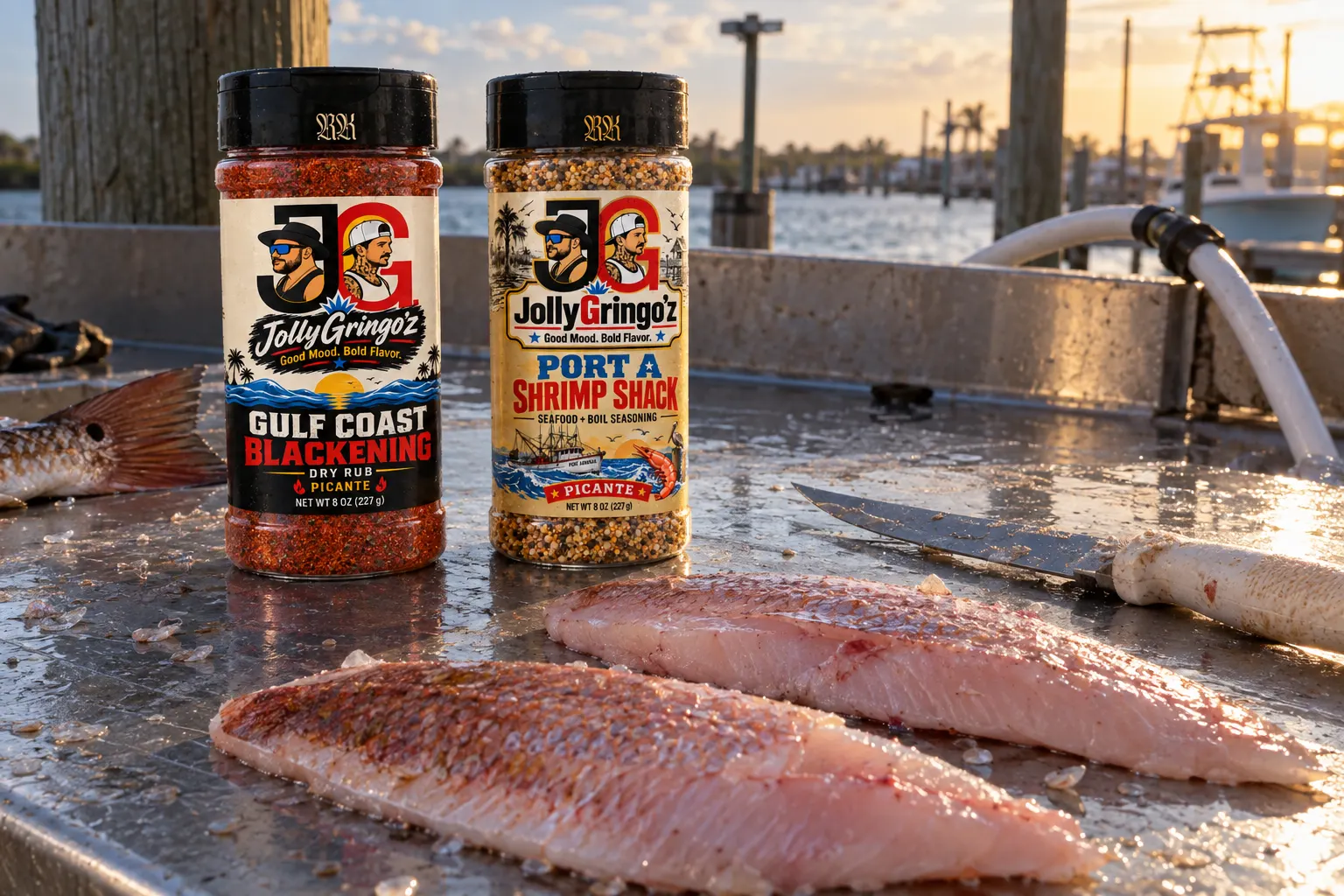
The fish still ties the city together. Snapper is the catch this page is built around, and downtown, Seville Square hosts Pensacola's biggest seafood party every fall.
Smacks, ice and a longer trip out
The first snapper boats were smacks, sailing vessels that worked the banks within easy reach of port. According to NOAA, everything changed when ice and rail lines became easy to get. Boats could stay out longer, fish farther away and send their snapper out by rail, and the landings climbed.
Success had a cost. Fishermen and scientists were already noticing thinner catches off Florida late in the 19th century, and the early fish, which often averaged 10 pounds or more, got harder to find near shore. By the early 1900s American boats were sailing as far as Campeche Bank off Mexico. Today the fishery is tightly managed, and the private recreational season comes in short bursts decided year by year by Florida's wildlife commission.