The island the horses named
Texas Parks and Wildlife says the island took its name from the wild horses that roamed it for hundreds of years. Nobody is sure how they got here. Spaniards may have landed them, or they may have swum ashore from a wreck. Ranching pushed into their range through the 19th century, and the herds were gone by the late 1800s.
People were here long before the horses. The Karankawa lived on the island on fish, shellfish, small game and local plants, and the French explorer Jean Beranger recorded seeing them in the early 1700s. Settlers ran cattle, sheep and hogs from the mid 1840s, but the island was hard to reach and short of drinking water, so few stayed.
Texas Parks and Wildlife bought 3,954 acres in 1972 and opened Mustang Island State Park in 1979. The park holds a full cross section, Gulf beach on one side and bay shore on the other, and the fishing village at the north end is the only town on the strip.
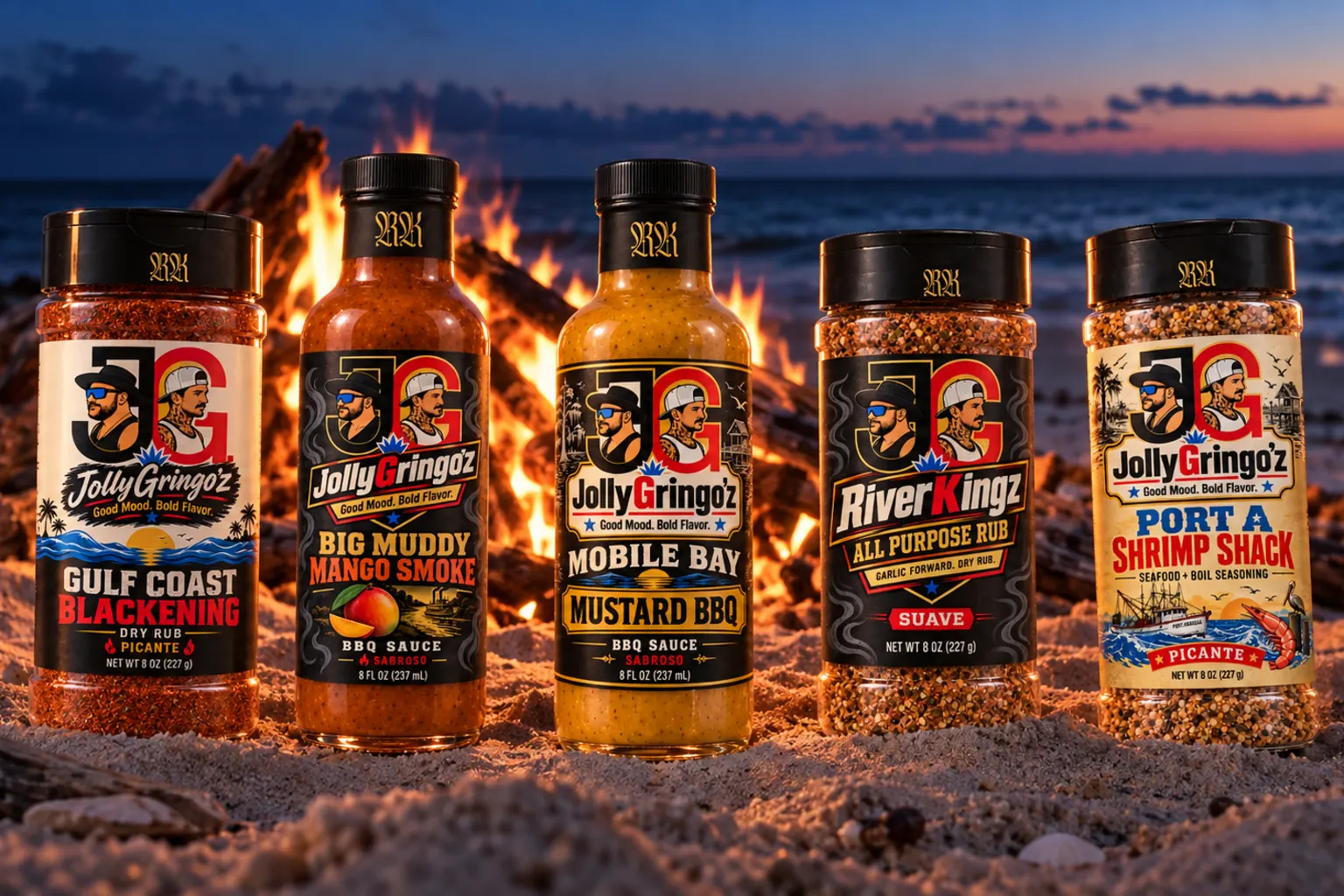
That shape is why the island eats the way it does. There is no restaurant row out in the middle of it, so most meals get cooked where you are standing: a burner at a campsite, a grill at a rental, a skillet on a tailgate.
Highway 361, the dune line and Fish Pass
State Highway 361 runs the length of the island behind the foredunes. The ground averages about eight feet above sea level, so that dune line is most of what stands between the road and a high tide. The park asks visitors to stay off the dunes and to leave glass at home.
Partway down the park beach are the Fish Pass jetties, two rock arms left from a water exchange channel cut through the island in the early 1970s. The pass silted up in the 1980s, but the jetties stayed put. Texas Parks and Wildlife Magazine calls the spot legendary for surfers, best in winter, when the fronts swing the swell from southeast to northeast.
The bay side is the quieter half. Three paddling trails, the North Trail at 8.5 miles, the Shamrock Loop at 5.24 miles and the Ashum Trail at 6.8 miles, follow the western shoreline through what the agency calls some of the best shallow water fishing in Texas. Slide out of a kayak, wade the grass and the sand potholes, and what comes back to camp is spotted seatrout, redfish and black drum. The same shoreline carries the Mustang Island Loop of the state birding trail.