Bayou Country eating
Houma was founded in 1834 as the seat of Terrebonne Parish, which is French for good earth. Bayou Terrebonne runs through the middle of town, the Intracoastal Waterway crosses it, and the Houma Navigation Canal runs 36 miles to the Gulf. The city takes its name from the Houma people, and the tourism bureau notes that the name means red, possibly for the sun or for their crawfish war emblem.
Life here has long turned on fishing, trapping, sugarcane, shrimping, oysters and crabs, and the food follows the water. Cajun, Creole, Vietnamese and Native American cooks all shape what lands on the plate.
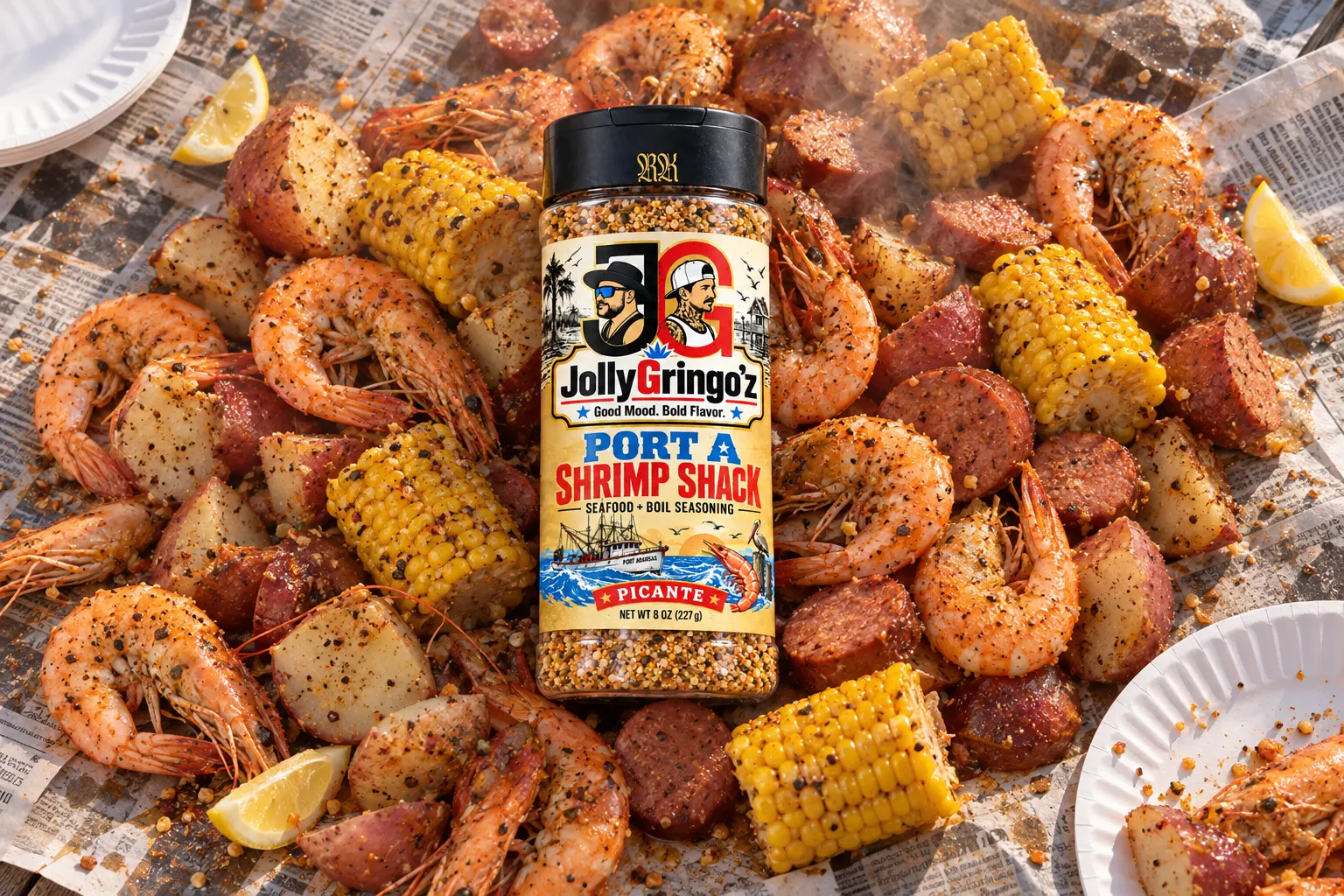
The Houma tourism bureau's Bayou Country Crawfish Trail has more than 40 stops, and it splits the year in two. Heads season starts as Mardi Gras approaches and is all about boiled crawfish, peeled at the table with potatoes, corn and sausage. When it winds down in early summer, tails season begins, and the tail meat goes into jambalaya, fettuccine, gumbo, étouffée, crawfish pie and stuffed po-boys.
Shrimp, crabs and the coast road
Down LA 56 toward Cocodrie and out at Pointe-aux-Chenes, anglers fish for speckled trout, redfish, black drum and sheepshead, and offshore charters go after yellowfin tuna and snapper. Shore crabbers work the piers on Island Road.
Louisiana's spring inshore shrimp season opened May 13 in 2026, and the fall season for this stretch of coast opened August 17. Brown shrimp generally run May to July and white shrimp from mid August to mid December. Markets on the Crawfish Trail sell live and boiled blue crabs alongside the crawfish. The meat markets are worth a stop too: Bourgeois Meat Market in Gray has been smoking meats and making boudin for more than a century.