A railroad town, an oil town, a Cajun town
Port Arthur was supposed to be at Sabine Pass. Kansas railroad promoter Arthur Stilwell wanted his line from Kansas City to end at the pass, but the Handbook of Texas says he could not come to terms with the Kountze brothers, who owned most of the land there. In 1895 he platted a new city on the west shore of Sabine Lake instead, named it after himself, and cut a canal to deep water. Port Arthur became a working port in 1899.
Spindletop blew in on January 10, 1901, and the city's future was set. Gulf built a refinery at Port Arthur in 1901 and Texaco followed in 1902. By 1950 five refineries in the area employed about 12,000 people. Dredging for the ship canal also created Pleasure Island, an 18.5 mile strip of land that now has a marina and a pier.
The refineries are why the food tastes the way it does. Visit Port Arthur says Cajuns arrived from 1927, when the Great Mississippi Flood pushed Louisiana farmers west toward oil jobs. They brought their language, music and cooking, and they kept their bayou habits on the Texas marshes. Port Arthur now calls itself the official Cajun Capital of Texas.
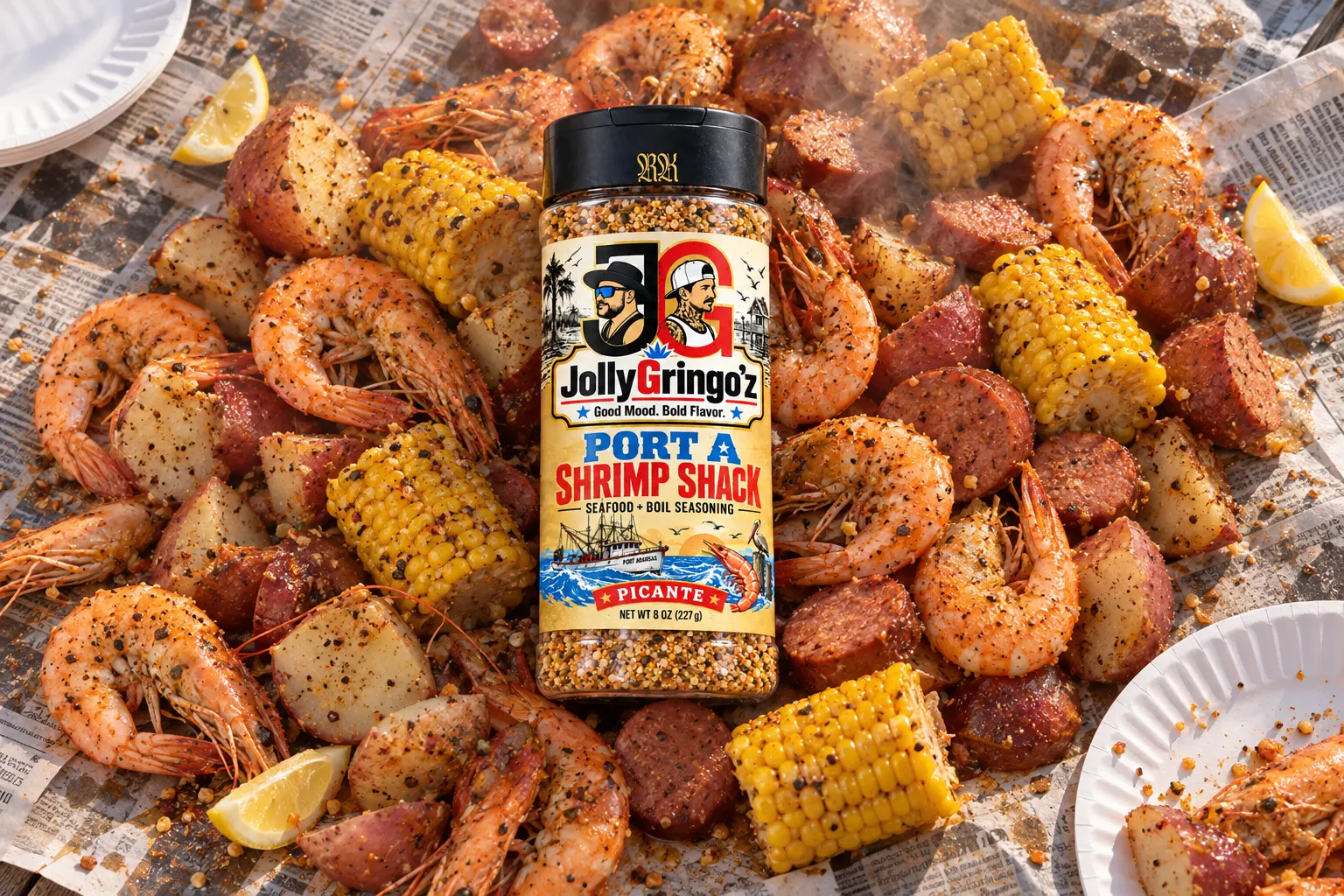
On a local table that means crawfish boils, gumbo, boudain kolaches and the area's signature barbecue crabs. The city's dining guide also lists banh mi shops and pho kitchens, Tex Mex and Gulf seafood houses.
Sabine Pass and the fall flounder run
Sabine Pass, at the south end of the lake, was annexed by Port Arthur in 1978 but kept a distinct identity, with commercial fishing and marine repair as its main trades. On September 8, 1863, Lt. Dick Dowling and 46 Confederate gunners turned back a Union invasion fleet there in less than an hour, disabling two gunboats and taking about 350 prisoners. The Texas Historical Commission runs the battleground as a state historic site, and its pier and banks are a favorite flounder spot.
Visit Port Arthur says flounder migrate from the upper banks of Sabine Lake toward the Gulf from September through December, which makes fall the best time to catch one. Keep the calendar in mind: Texas closes flounder to all harvest from November 1 to December 14, so the run splits into a keeping season and a catch and release season.