What Carencro is known for
Carencro sits on the prairie just north of Lafayette, near where Bayou Carencro and Bayou Fusilier meet to start the Vermilion River. The name comes from the Cajun French for a buzzard, the carrion crow. Acadian families settled the Carencro Prairie in the 1700s, starting with Louis Pierre Arceneaux in 1765, and the city still calls itself the crossroads of Cajun and Creole culture.
In 2024 the Louisiana Legislature passed House Concurrent Resolution 23, naming Carencro the Seasoning Capital of the World. The resolution points to the production and innovation of seasoning blends, the traditional ways of mixing them, and the town's annual seasoning festival, and it asks the state tourism office to use the title.
It is a meat market town too. The original Don's Specialty Meats opened here in 1992, before the Scott store, and The Best Stop has a Carencro counter, so boudin and cracklins are never far away.
What we look for in a seasoning blend
Seasoning is our whole business, so here is how we read a label, wherever the blend comes from. Ingredients are listed by weight, most first. If salt is the first word, salt is most of what you are buying.
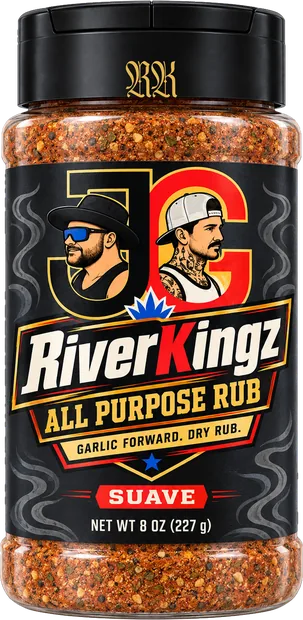
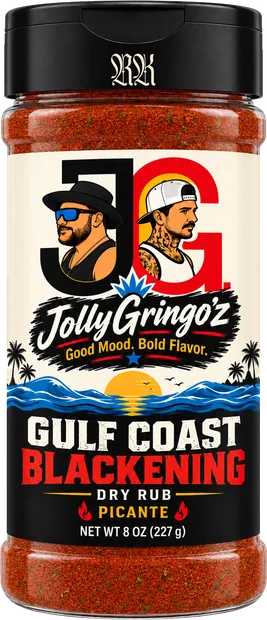
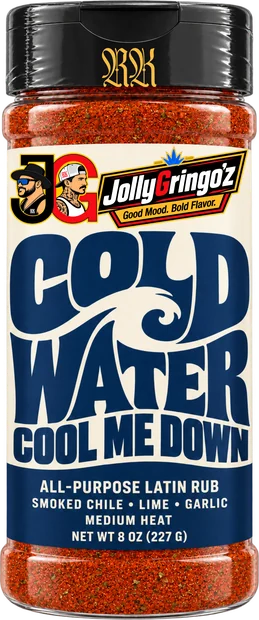
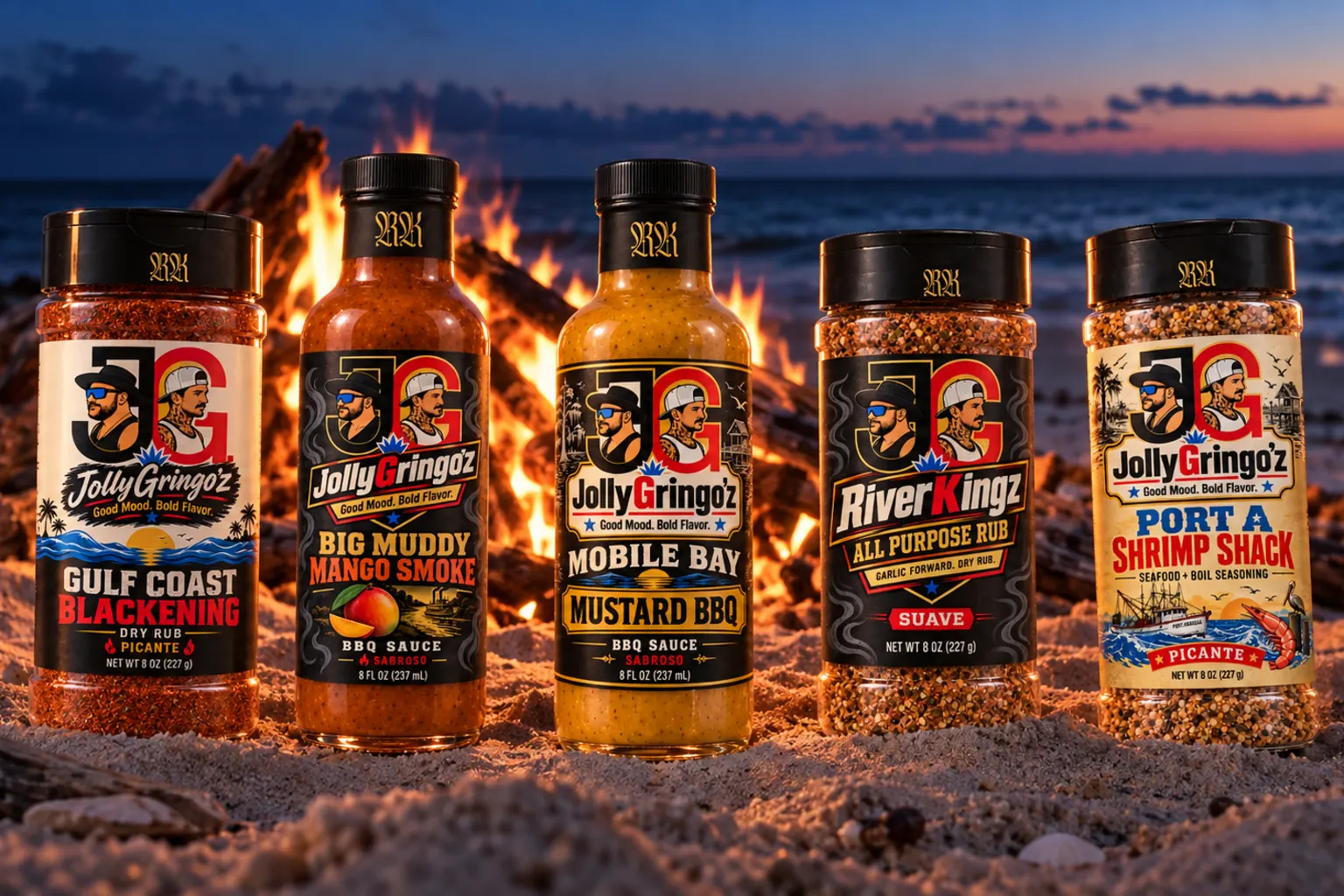
A lot of all purpose and Cajun blends on a grocery shelf run 30 to 50 percent salt. That is why the bottle tells you to dust: put it on heavy and the food turns salty before it tastes seasoned. Ours sit at about 10 percent salt, so you can season heavy, build a real crust and still taste the meat. The savory weight comes from ingredients like garlic, tomato and mushroom instead.
The other test is whether a blend has a shape. A good one arrives in stages: something up front, something in the middle, and a finish that stays. If every blend on the rack tastes like red pepper and salt, none of them is doing much work.