The pink gold rush
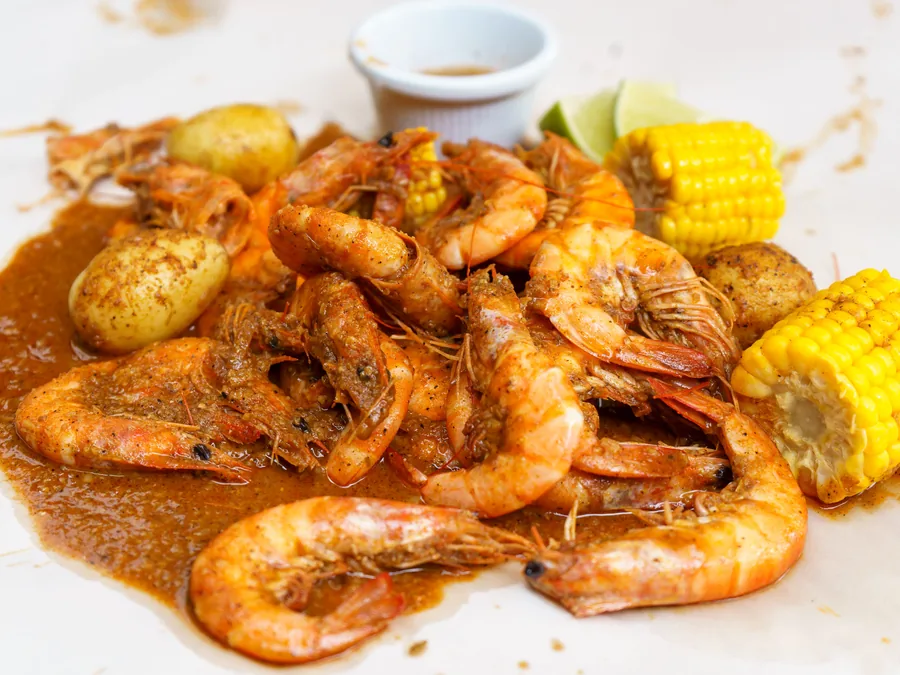
Key West sits at the far end of the Keys, home to the Southernmost Point and the Hemingway Home, and to 26,444 people at the 2020 Census. For a stretch of the twentieth century its fortune came out of the water as a small, grooved shrimp the trade calls pink.
The beds were found off the Dry Tortugas in 1949. By early 1950 shrimpers were pouring into Key West to unload, and on February 11, 1950 The New York Times compared the scramble to the Klondike gold strike, according to Mystic Seaport Museum. More than 100 boats were already in port, with another 100 reported on the way. Ice was trucked in from Miami and rooms were hard to find.
The Key West Art and Historical Society says nearly 500 trawlers worked out of Key West Bight in the 1950s and 1960s, so many that people said you could cross the harbor without touching water. In the first six months of 1965 alone, Monroe County officials reported 7.5 million pounds of pink shrimp landed.
The boom faded and the last shrimp boats left the Bight around three decades ago. Today it is the Historic Seaport, home to schooners and sunset sails. Then in November 2022 the Miss Key West tied up there and offloaded sacks of local pink shrimp, the first working shrimp boat in the harbor in 30 years, Keys Weekly reported.
Key lime pie and a lobster party
Dessert here is settled law. Section 15.052 of the Florida Statutes, passed in 2006, names key lime pie the official state pie, and the Keys adopted it as their own official pie back in 1965, Keys Weekly notes. The Key Lime Festival has celebrated it every Fourth of July week since 2013, capped by a no hands pie eating championship on July 4.
Lobster gets its own week. Key West Lobsterfest began with a contest for the best lobster dish on the island and now runs five days around the opening of the regular spiny lobster season, ending in a free street fair along the 100 to 500 blocks of Duval Street. Conch fritters, meanwhile, turn up everywhere from sunset sails to street corners.