A port town that became a fishing town
Stephen F. Austin got permission from the Mexican government in 1827 to build a town near the mouth of the Colorado River to protect incoming settlers. Elias Wightman laid it out that year and brought in fifty or sixty colonists, most of them from New York. The Handbook of Texas says that in the 1830s Matagorda was the closest Texas port to New Orleans and a landing place for new arrivals by land and sea.
The town became the seat of Matagorda County in 1837 and had theaters, hotels and a newspaper within a year. During the Civil War it was one of eight Texas ports used by blockade runners carrying cotton out and supplies in. After the war came a beef packing plant and a hide and tallow factory, then hurricane after hurricane, and in 1894 the county seat moved inland to Bay City.
A log raft on the Colorado River blocked boat traffic until it was cleared in 1929. In the 1930s fish and oysters became a major local business, alongside shell dredging for roads and chicken feed. A hurricane in 1942 led to the levee that still rings the town, and after World War II Matagorda turned into a resort and fishing community.
River, bay and Gulf in one stop
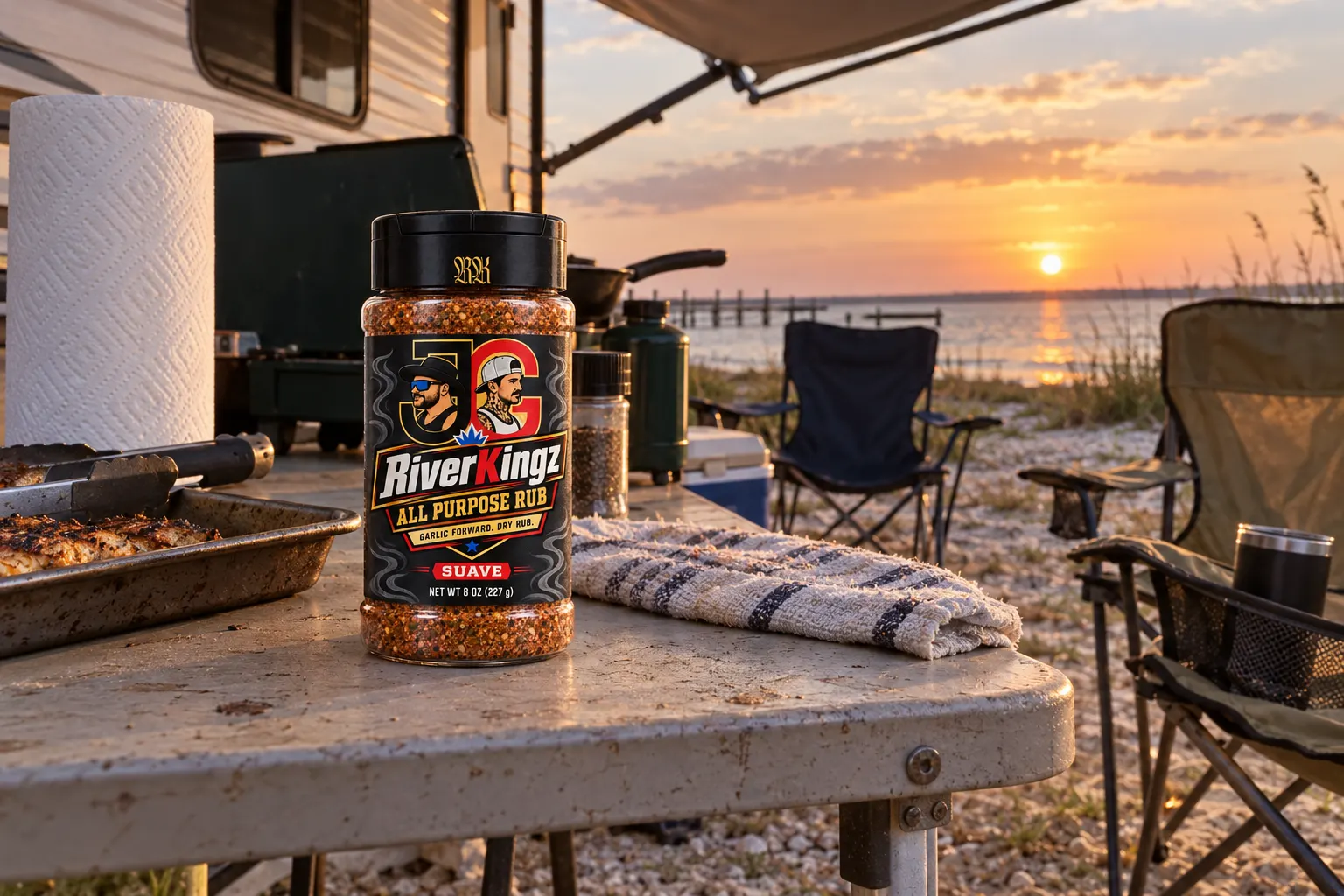
The Lower Colorado River Authority runs Matagorda Bay Nature Park about 100 miles southwest of Houston, where the mouth of the Colorado feeds into the Gulf, ringed by marshes and wetlands. The park has a fishing pier, a boat ramp, kayak rentals for the marshes and RV sites, Airstreams and beach bungalows, several with their own gas grills.
That mix of river water, marsh and open Gulf is what pulls anglers down the last stretch of road. The Texas flounder closure from November 1 to December 14 is the one date every local keeps in mind. Before you keep a fish, check the current Texas Parks and Wildlife bag and length limits.